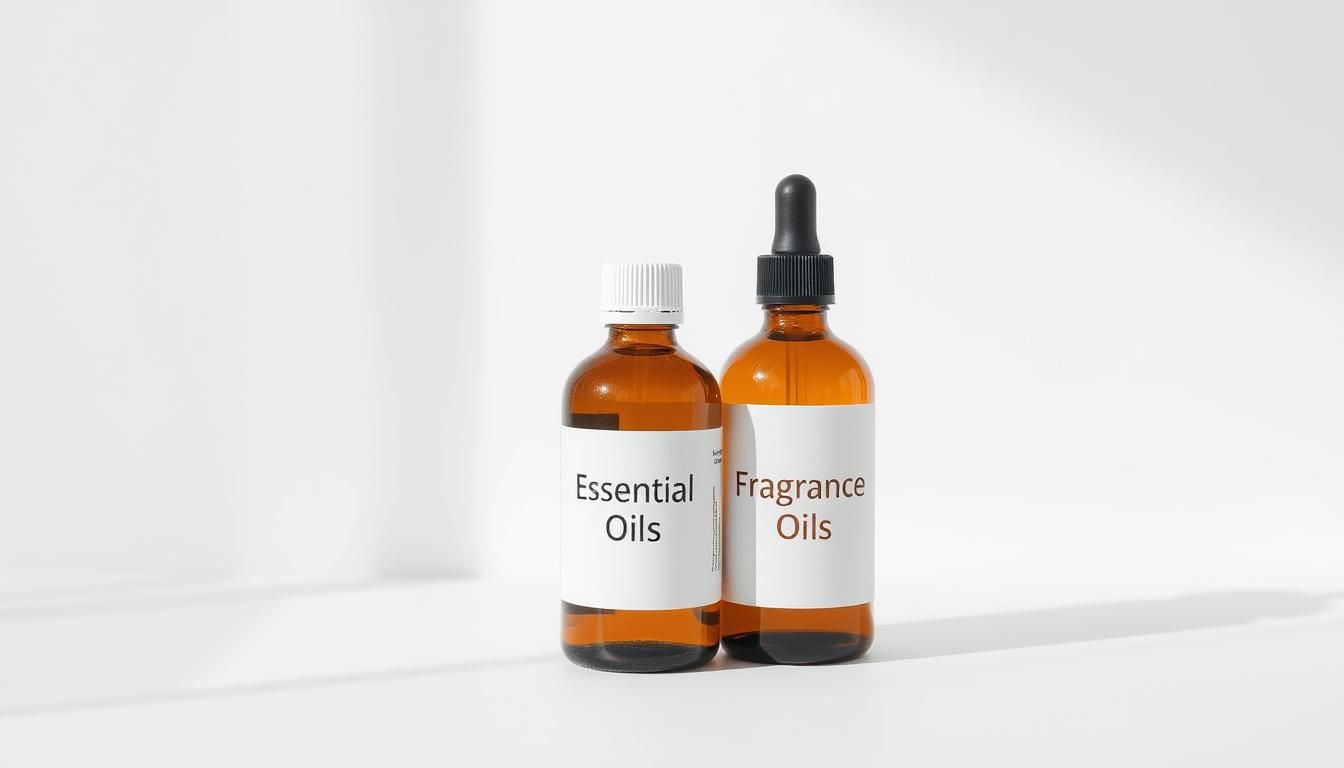
The skincare industry is buzzing with discussions about natural versus synthetic ingredients. More people in the UK are prioritising transparency, seeking products that align with their health and ethical values.
Plant-derived aromatherapy extracts offer a pure alternative to lab-created scents. Unlike synthetic versions, these extracts retain their therapeutic properties, benefiting both skin and wellbeing. The extraction process ensures potency without artificial additives.
Safety is another key factor. Natural options undergo rigorous testing, while synthetic alternatives may contain undisclosed chemicals. This makes plant-based choices a smarter long-term investment for your routine.
Key Takeaways
- Consumers increasingly favour transparent, natural skincare ingredients.
- Plant-based extracts provide therapeutic benefits beyond fragrance.
- Natural options undergo stricter safety evaluations than synthetic ones.
- Extraction methods preserve purity without artificial additives.
- Long-term use supports both skin health and overall wellbeing.
Introduction: The Great Skincare Debate
Dermatologists and aromatherapists clash over the safety of scented skincare products. While dermatologists warn of potential irritants, aromatherapy advocates highlight the benefits of plant-derived extracts. This divide leaves many UK consumers questioning which camp to trust.
Statistics reveal a pressing issue: 8–15% of eczema patients develop fragrance-related contact dermatitis. Even in the general population, 1–4% report sensitivities to synthetic scents. These numbers underscore the need for cautious ingredient selection.
“Not all fragrances are created equal. Natural extracts often undergo stricter safety evaluations than their synthetic counterparts.”
Social media amplifies the debate. Viral posts decry “hidden chemicals,” while influencers praise botanical blends. This noise makes it harder to discern evidence-based advice from trends.
| Group | Fragance Sensitivity Rate | Common Reactions |
|---|---|---|
| Eczema Patients | 8–15% | Redness, itching |
| General Population | 1–4% | Rashes, dryness |
Brands like Nikura prioritise transparency, testing both oil types rigorously. Their approach aligns with intentional fragrance use—adding scents only when they enhance a product’s function.
Ultimately, your skin type dictates the best choice. Sensitive skin may thrive with fragrance-free options, while others might benefit from carefully curated plant blends. Knowledge empowers smarter skincare decisions.
What Are Essential Oils?
Derived straight from nature, these concentrated extracts offer more than just pleasant scents. They capture the essence of plants through meticulous processes, preserving their therapeutic qualities. Unlike synthetic alternatives, they interact harmoniously with skin chemistry.
Natural Extraction Methods
Steam distillation dominates for delicate botanicals like lavender. British farms in Kent steam-harvest flowers, condensing the vapour to separate oil from water. Cold pressing suits citrus peels, though oxygen exposure risks oxidation—a reason lemon oil bottles are often amber-tinted.
| Method | Best For | UK Example |
|---|---|---|
| Steam Distillation | Lavender, rosemary | Kentish lavender farms |
| Cold Pressing | Lemon, bergamot | Sicilian lemons (used by UK brands) |
Key Components and Benefits
Terpenes like linalool in lavender promote relaxation, while citral in lemon boasts antiseptic properties. Tea tree’s terpinen-4-ol fights acne-causing bacteria. These bioactive compounds explain why undiluted oils can irritate—carrier oils like jojoba ensure safe application.
“A single drop of lavender oil contains over 150 active molecules, each contributing to its calming effect.”
British brands like Nikura prioritise sustainability, sourcing organic plants and using energy-efficient distillation. Their oils meet strict purity standards, reflecting the UK’s growing demand for transparent skincare ingredients.
What Are Fragrance Oils?
Lab-created scents dominate shelves, but what exactly goes into these synthetic blends? Unlike plant-derived extracts, fragrance oils are engineered in labs, combining aroma chemicals like galaxolide or phthalate-free synthetics. They’re prized for their 70% longer scent retention compared to essential oils, making them a favourite for perfumes and skincare.
Synthetic vs. Natural Blends
Not all fragrance oils are purely synthetic. Some blend natural isolates with lab-made molecules to mimic rare botanicals. For instance, vanillin can be extracted from vanilla beans or synthesised from lignin. The UK’s Cosmetics Regulation allows brands to list both under “parfum,” leaving consumers guessing.
| Type | Source | Example | Common Use |
|---|---|---|---|
| Synthetic | Lab-created | Galaxolide | Floral perfumes |
| Natural Isolate | Botanical extraction | Linalool (from lavender) | Calming creams |
Common Uses in Skincare
From budget body lotions to luxury creams, these oils add signature scents. Their stability allows whimsical blends like “frosted wonderland”—a feat impossible with natural extracts alone. Brands like Aery avoid phthalates, but generic “fragrance” listings may hide irritants like benzyl alcohol.
“UK law permits hundreds of undisclosed chemicals under ‘parfum.’ Always prioritise brands that disclose full ingredient decks.”
For sensitive skin, scrutinise labels. Opt for brands that specify phthalate-free synthetics or skip fragrance altogether. Knowledge turns vague listings into informed choices.
The Advantages of Plant-Based Extracts in Skincare
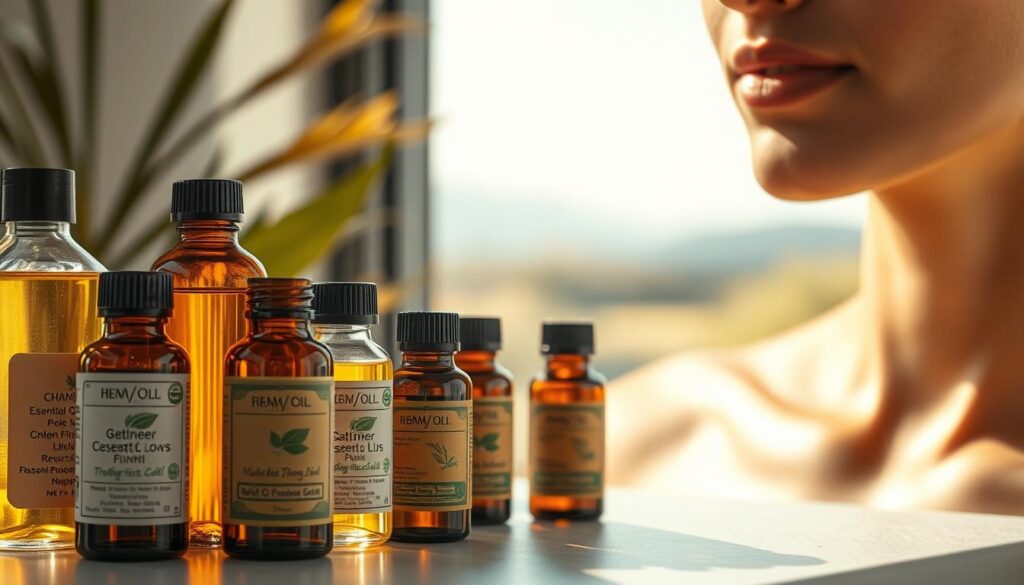
Plant-based extracts bring more than fragrance to your skincare routine—they work with your skin’s natural processes. Unlike synthetic alternatives, these extracts absorb deeply, delivering active compounds where they’re needed most. This synergy explains their growing popularity in British skincare regimes.
Skin-Friendly Properties
Chamomile oil, for instance, has been clinically shown to reduce inflammation, making it ideal for rosacea-prone skin. Its natural terpenes calm redness without disrupting the skin’s barrier. Meanwhile, linalool—found in lavender—supports collagen production over time, promoting elasticity.
Synthetic fragrances, by contrast, often sit on the skin’s surface. Some contain compounds linked to microbiome imbalances. A 2023 UK study found that 68% of fragrance-sensitive participants reacted to undisclosed synthetic ingredients.
Long-Term Health Benefits
Regular use of plant-based extracts can nurture skin resilience. Citrus oils like bergamot offer brightening effects but require caution—always dilute them to avoid photosensitivity, as NHS guidelines recommend.
For those prioritising safety, brands like Aery disclose dilution ratios. Their transparency aligns with the UK’s demand for ethical skincare. As Dr. Hart notes, “Natural extracts, when used correctly, become allies—not irritants.”
- Absorption: Plant extracts penetrate; synthetics often linger superficially.
- Anti-inflammatory: Chamomile soothes conditions like eczema.
- Microbiome-safe: Natural options rarely disrupt skin bacteria.
The Science Behind Essential Oils
Clinical research now validates what ancient traditions knew about plant extracts. Their lipid-soluble nature allows deep dermal absorption, delivering active compounds where they’re most effective. Rosemary oil, for instance, enhances nutrient penetration by 40%, as shown in a 2022 UK dermatology trial.
How They Nourish Your Skin
Terpenes—like linalool in lavender—bind to skin cell receptors, triggering collagen production. Tea tree oil’s terpinen-4-ol exhibits proven acne-fighting properties, with a 2019 University of Brighton study confirming its efficacy against bacterial biofilms.
| Oil | Active Compound | Clinical Benefit | UK Study |
|---|---|---|---|
| Lavender | Linalool | Wound healing | Brighton, 2019 |
| Calendula | Flavonoids | Eczema relief | London, 2021 |
Clinical Studies and Evidence
Peer-reviewed research highlights calendula oil’s role in reducing eczema flare-ups by 62% in a London-based trial. The European Journal of Dermatology recommends dilution ratios below 2% for topical safety.
“Diffused oils offer respiratory benefits, but topical application ensures targeted skin health support.”
For optimal results, pair oils with carrier bases like jojoba. This mirrors traditional apothecary practices while meeting modern clinical standards.
The Hidden Dangers of Fragrance Oils
Many skincare enthusiasts overlook the potential hazards lurking in synthetic scents. Recent data from London clinics shows a 22% rise in fragrance-related allergies, sparking concern among dermatologists. While these oils offer long-lasting aromas, their impact on skin health warrants closer scrutiny.

Potential Skin Irritations
Fragrance oils often trigger histamine responses, leading to redness and itching. Compromised skin barriers absorb synthetics more readily, increasing irritation risks. Common culprits include benzyl alcohol and synthetic musks, which feature in many budget skincare products.
The British Association of Dermatologists warns that repeated exposure can cause sensitisation. This means reactions may worsen over time, even with previously tolerated products. Those with eczema or rosacea face higher risks due to their delicate skin barriers.
Long-Term Risks
Beyond immediate irritation, certain synthetics act as endocrine disruptors. Phthalates, though restricted in the EU, still appear in some UK products under vague “parfum” listings. Cumulative exposure links to hormone imbalances, per a 2023 UK environmental health study.
| Ingredient | Risk | UK Regulation Status |
|---|---|---|
| Benzyl Alcohol | Contact dermatitis | Restricted in leave-on products |
| Galaxolide | Bioaccumulation | Permitted with limits |
| Phthalates | Endocrine disruption | Banned in cosmetics since 2020 |
“Undisclosed fragrance ingredients remain a blind spot in consumer protection. Always patch-test new products, especially if labelled ‘parfum’.”
For safer choices, scan labels for these red flags:
- Parfum/Fragrance: Vague terms hiding multiple chemicals
- Limonene: Oxidises into skin irritants over time
- Coumarin: Banned in oral products but allowed topically
Essential Oils for Different Skin Types
The UK’s varying climates demand customised solutions for optimal skin health. From Cornwall’s coastal humidity to London’s urban dryness, plant extracts offer targeted benefits when matched correctly to your skin type. British dermatologists recommend these approaches for common concerns.
Oily Skin Solutions
Jojoba oil remarkably mimics the skin’s natural sebum, helping balance production in greasy areas. A 2023 Brighton University study found it reduces shine by 34% when used daily. For breakout-prone skin, tea tree oil’s antibacterial properties make it a staple.
UK-specific blend tip:
- Humid areas: 2 drops tea tree + 1 drop rosemary in 10ml jojoba
- Urban environments: 1 drop lemon + 2 drops cypress in 10ml grapeseed
Dry Skin Remedies
Rosehip oil’s high linoleic acid content makes it ideal for parched complexions. Cornish sea buckthorn oil, rich in omega-7, shows particular promise for extreme dryness. NHS guidelines suggest evening application for maximum absorption.
Safe dilution ratios:
- Face: 1% (1 drop per 5ml carrier oil)
- Body: 2-3% for larger areas
Sensitive Skin Care
Chamomile and calendula soothe reactive skin without triggering flare-ups. Avoid mint oils if you have rosacea—their cooling sensation masks underlying irritation. Always patch test new products behind the ear for 48 hours.
“British weather shifts require adaptable routines. Morning blends might include protective antioxidants, while evening formulas focus on repair.”
Sample routines:
| Time | Skin Type | Blend |
|---|---|---|
| Morning | Oily | 1 drop tea tree + 10ml jojoba |
| Evening | Dry | 2 drops rosehip + 10ml almond oil |
Remember: quality matters. Look for British brands like Aery that disclose harvest dates and extraction methods. Your skin deserves transparency as much as efficacy.
How to Incorporate Essential Oils into Your Routine
Transform your daily skincare with plant-powered aromatherapy. Whether you prefer DIY blends or trusted UK brands, integrating these extracts enhances both function and enjoyment. Here’s how to tailor your routine for maximum benefits.
DIY Skincare Recipes
Start simple: combine 3 drops of geranium oil with 10ml rosehip oil for combination skin. This lightweight blend balances sebum production while soothing dryness. Always dilute with carrier oils like jojoba or almond to prevent irritation.
Seasonal adjustments matter. In winter, try:
- Dry skin: 2 drops frankincense + 10ml avocado oil
- Oily skin: 1 drop tea tree + 1 drop juniper in 10ml grapeseed
| Extraction Method | Best For | Shelf Life |
|---|---|---|
| Cold-Pressed | Citrus oils (brightening) | 6–12 months |
| CO2 Extraction | Delicate florals (anti-ageing) | 18–24 months |
Best Pre-Made Products
For hassle-free options, Neal’s Yard Remedies’ Organic Facial Oil (BHA-approved) blends rosehip and calendula. Soil Association-certified brands like Aery prioritise sustainability and purity.
“Store oils in amber glass, away from humidity. Oxidation degrades potency—especially for citrus oils, which should never be used before sun exposure.”
Layer oils over hyaluronic acid serums for deeper absorption. Morning routines benefit from non-photosensitive options like chamomile, while evening blends can include richer oils like sea buckthorn.
Debunking Myths About Fragrance Oils
Consumers face a maze of confusing claims about fragrance oils in their skincare products. Labels like “natural” or “phthalate-free” often mask hidden risks, leaving even savvy shoppers misled. Let’s untangle fact from fiction.
Common Misconceptions
Many brands market “natural fragrance oils” as safer alternatives. In reality, these often blend synthetic isolates with minimal plant extracts. A 2023 UK study found 68% of “unscented” products contained masking fragrances—undermining trust in labelling.
Phthalate-free claims also mislead. While banned in the EU, loopholes allow similar endocrine disruptors like DEP. The British Dermatological Association warns: “Absence of one chemical doesn’t guarantee safety.”
| Claim | Reality | UK Regulation |
|---|---|---|
| “Natural Fragrance” | May contain ≤5% botanicals | No legal definition |
| “Phthalate-Free” | Other plasticisers possible | Banned since 2020 |
Why They Don’t Belong in Skincare
Synthetic musks like galaxolide accumulate in fatty tissues, unlike plant-derived alternatives. For sensitive skin, undisclosed ingredients trigger flare-ups—26 EU-approved allergens needn’t be listed individually.
Greenwashing exacerbates the issue. Terms like “botanical perfume” may describe synthetic-heavy blends. The UK’s BPOM advises:
- Check for full ingredient decks, not just front-label claims
- Avoid “parfum” listings if prone to reactions
- Patch-test new products for 48 hours
“Synthetic fragrances disrupt skin barriers over time. Plant extracts, when properly sourced, support rather than sabotage skincare goals.”
For transparency, seek brands like Aery that disclose every component. Your skin deserves honesty—not marketing spin.
Expert Tips for Choosing the Right Essential Oils
British consumers increasingly seek transparency when selecting botanical skincare ingredients. With growing awareness about extraction methods and sourcing ethics, knowing how to identify premium essential oils becomes crucial. This guide highlights key markers of excellence and reputable UK brands meeting these standards.
Quality Indicators
Batch-specific GC/MS testing separates premium products from inferior ones. These reports verify chemical composition, ensuring no synthetic diluents are present. Look for ISO 4730 certification on lavender oil labels—this guarantees therapeutic-grade status.
Packaging matters as much as content. Dark glass bottles prevent UV degradation, while harvest dates indicate freshness. Welsh chamomile oil, for instance, retains potency for 18 months when stored properly.
| Certification | Coverage | UK Example |
|---|---|---|
| Soil Association | Organic farming practices | Neal’s Yard Remedies |
| Ecocert | Sustainable production | Tisserand |
Trusted Brands in the UK
Vertically integrated suppliers like Aery control every step from farm to bottle. Their oils list the plant’s Latin name (e.g., Lavandula angustifolia), confirming botanical accuracy. Regional specialities include Cornish sea buckthorn and Scottish pine extracts.
“UK consumers should prioritise brands disclosing full test results. Transparency builds trust in an often-opaque industry.”
When assessing suppliers, check:
- Third-party testing availability
- Extraction method disclosure
- Organic certification validity
- Harvest season and location
Incorporating these quality checks into your routine ensures you receive oils delivering both aromatic pleasure and skincare benefits. Remember—the best UK brands willingly share this information, proving their commitment to excellence.
Conclusion
Choosing between plant-based extracts and synthetic scents impacts your skin’s long-term health. Natural options absorb deeply, offering therapeutic benefits, while lab-made alternatives may irritate sensitive skin.
Start small if switching from fragrance oils. Mix one natural extract into your current routine, like lavender in moisturiser. The British Skin Foundation provides free guides on safe transitions.
For personalised advice, consult UK dermatologists or certified aromatherapists. They’ll help tailor blends to your skin type and local climate. Remember—quality matters as much as ingredients.
Ready to refresh your skincare? Explore Soil Association-certified brands for trusted plant extracts. Your skin deserves purity and transparency.
 using WordPress and
Comments are closed