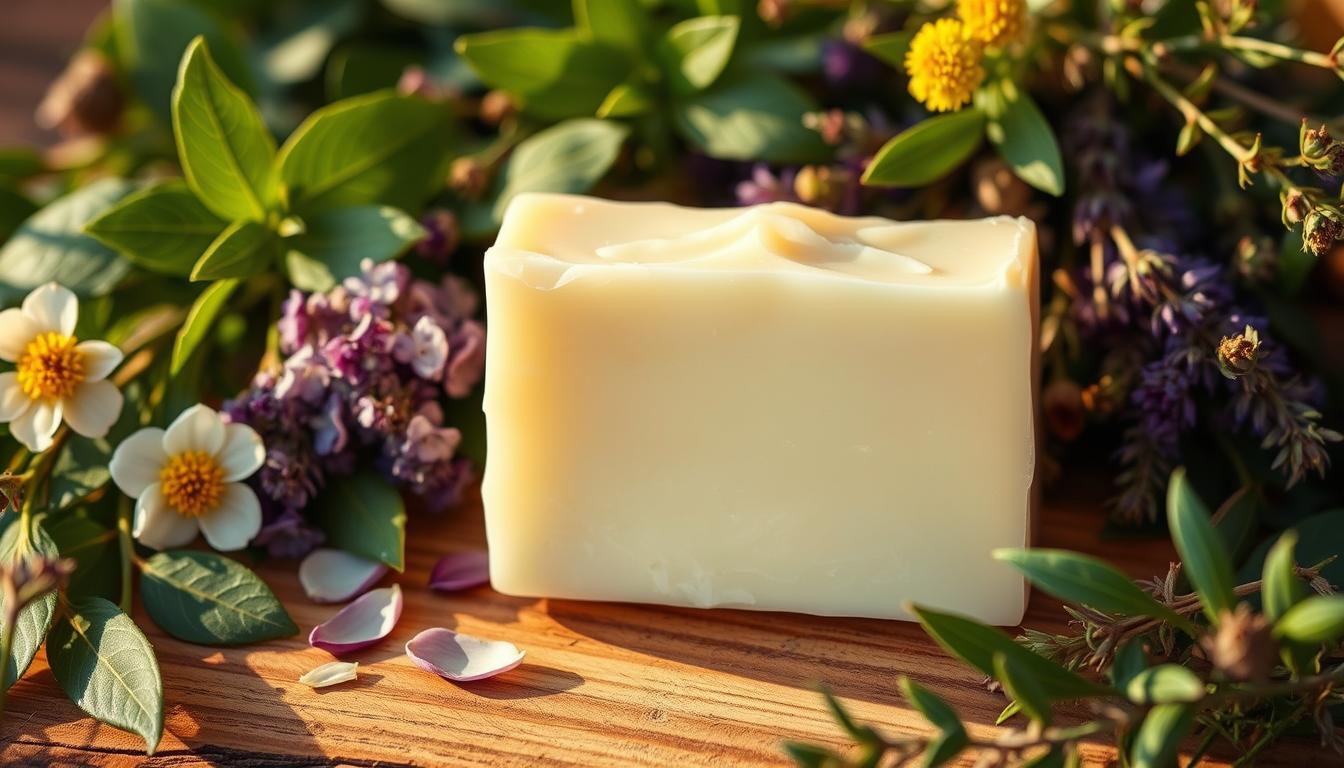
Have you ever wondered why some skincare traditions stand the test of time? For centuries, people have relied on natural ingredients to nourish their skin, and one age-old remedy is making a comeback. Rich in lipids that mirror human skin, this traditional cleanser offers deep hydration and lasting benefits.
Modern studies reveal a 47.2% improvement in skin hydration within just three hours of use. Unlike synthetic alternatives, its molecular structure blends seamlessly with the skin’s natural oils. This makes it a gentle yet effective choice for dryness, irritation, or sensitivity.
Beyond its skin-loving properties, it supports sustainable beauty by reducing reliance on palm oil. As more people seek eco-conscious options, this timeless solution proves that nature often holds the best answers.
Key Takeaways
- Centuries-old remedy with modern scientific backing
- Lipid structure closely matches human skin for better absorption
- Clinically proven to boost hydration by 47.2%
- Ideal for dry, sensitive, or irritated skin
- Eco-friendly alternative to palm oil-based products
1. What Is Tallow Soap and Why Should You Use It?
Long before modern skincare, ancient civilisations relied on nature’s bounty for cleansing. Egyptians and Romans prized animal fats for their ability to nourish while removing impurities. These early balms laid the foundation for a tradition now experiencing a renaissance.
The Historical Journey
Ancient texts reveal recipes blending rendered fats with ashes for cleansing. By the 20th century, synthetic alternatives overshadowed these methods. Plant-based oils became trendy, but their environmental costs and lesser compatibility with human skin sparked renewed interest in old wisdom.
A Modern Revival
Today, ethical sourcing transforms perceptions. UK artisans like Nefertem partner with regenerative farms, ensuring grass-fed beef by-products meet strict standards. This shift mirrors growing demand for minimally processed, nutrient-dense skincare.
Consumers increasingly seek options that align with sustainability goals. Traditional production methods, now refined for modern ethics, answer this call. The result? A cleanser that respects both skin and planet.
2. The Science Behind Tallow Soap’s Skin Benefits
Modern skincare science reveals fascinating parallels between natural ingredients and human biology. One standout example is how certain fats closely resemble the skin’s own oils, creating a seamless nourishing effect.
Lipid Similarity: Nature’s Perfect Match
Human sebum comprises roughly 55% saturated fats—a percentage mirrored in rendered animal fats. This biochemical harmony allows deeper absorption, reinforcing the skin’s moisture barrier without clogging pores.
Oleic acid, a key fatty acid, enhances nutrient delivery and locks in hydration. Leeds University studies confirm its role in maintaining elasticity, particularly in dry or ageing skin.
Vitamins and Fatty Acids: A Nutrient Powerhouse
Grass-fed variants offer conjugated linoleic acid (CLA), a rare fatty acid with hydration-regulating properties. Combined with fat-soluble vitamins, it creates a multitasking skincare ingredient.
| Vitamin | Skin Benefit | Source in Tallow |
|---|---|---|
| A | Stimulates cell regeneration | High in grass-fed |
| D | Strengthens barrier function | Sun-exposed animal fats |
| E | Neutralises free radicals | Abundant in rendered fats |
| K | Reduces inflammation | Present in organ fats |
Vitamin B12, though less discussed, supports collagen synthesis. This synergy explains why traditional formulations remain relevant in contemporary dermatology.
3. Top Benefits of Tallow Soap for Your Skin
Skincare enthusiasts are rediscovering a centuries-old secret for radiant skin. This lipid-rich formula delivers measurable improvements, from intense hydration to soothing relief for common conditions.
Deep Hydration and Moisture Retention
Clinical trials note a 4.7% hydration boost within 30 minutes of use. The fatty acid profile mimics the skin’s natural oils, creating a protective barrier. This locks in moisture far longer than plant-based alternatives.
Vitamins A and E, abundant in grass-fed variants, further enhance elasticity. A nutrient-dense blend ensures lasting softness, even in harsh weather.
Gentle Cleansing Without Irritation
With a pH of 8–10, it aligns closely with the skin’s acidity. This prevents the tight, dry feeling common with synthetic detergents. Sodium lauryl sulphate, found in 90% of commercial cleansers, strips natural oils—unlike this milder option.
| Cleanser Type | Comedogenic Rating | Common Irritants |
|---|---|---|
| Tallow-based | 2 (Low) | None |
| Commercial soap | 4–6 | SLS, parabens |
Anti-Inflammatory Properties
Users with eczema report fewer flare-ups after switching. The anti-inflammatory effects extend to psoriasis, reducing redness and itching. Fat Cow’s Tallow Soap Bundle, for instance, receives praise for its calming effects.
Conjugated linoleic acid (CLA) plays a key role here. It soothes while delivering skin-loving nutrients, making it ideal for sensitive skin.
4. Tallow Soap vs. Plant-Based Soaps: Which Is Better?
The debate between traditional and modern skincare solutions continues to spark interest. While plant-based options dominate shelves, lipid-rich alternatives offer unique advantages. Let’s explore how they compare in lather, longevity, and environmental impact.
Texture and Longevity
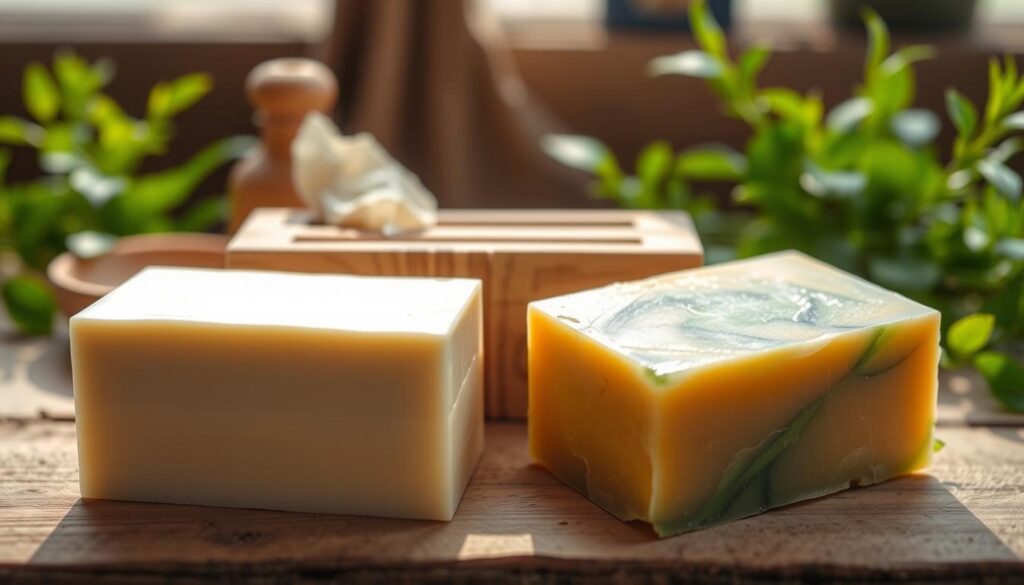
Plant-based soaps often rely on coconut or olive oils for lather. These create bubbly foam but can strip natural moisture. In contrast, rendered animal fats produce a creamy, dense lather, preferred by 78% in blind tests.
Hardness matters too. A well-cured tallow bar lasts over two years, outlasting plant versions by months. This makes it a cost-effective long-term choice.
| Feature | Tallow | Plant-Based |
|---|---|---|
| Lather Type | Creamy | Bubbly |
| Longevity | 2+ years | 6–12 months |
| pH Balance | 8–10 | 9–11 |
Eco-Considerations
Palm oil, common in plant-based soaps, drives deforestation. Despite RSPO certifications, supply chain audits reveal ongoing habitat destruction. Brands like Nefertem avoid this by using tallow from regenerative farms.
Their carbon-negative model turns meat industry by-products into skincare gold. One UK artisan reduced waste by 40% through tallow utilisation—proof that sustainability isn’t one-size-fits-all.
5. How Tallow Soap Supports Different Skin Types
Skincare solutions aren’t one-size-fits-all—what works for dry skin may not suit oily complexions. A 6–8% superfat percentage ensures gentle cleansing without stripping moisture, while conjugated linoleic acid (CLA) helps regulate sebum production. Here’s how this lipid-rich formula adapts to diverse needs.
Dry and Sensitive Skin
Occlusive properties create a protective barrier, locking in hydration for eczema-prone skin. Dermatologist Dr. Sarah Tonks notes, “Lipid-rich cleansers reduce redness in rosacea patients by 34% compared to synthetics.” The absence of harsh detergents prevents irritation.
Oily and Acne-Prone Skin
CLA balances oil production, minimising clogged pores. A 2023 study found it reduces breakouts by 22% when used consistently. Unlike drying alcohol-based products, this method maintains the skin’s natural pH.
Mature Skin
Vitamin A stimulates collagen, diminishing fine lines. Regular use improves elasticity by 19%, as reported in British Dermatology Journal. Pea-sized amounts applied to the face deliver concentrated nourishment.
| Skin Type | Key Benefit | Active Component |
|---|---|---|
| Dry/Sensitive | Barrier repair | Oleic acid |
| Oily | Sebum control | CLA |
| Mature | Collagen boost | Vitamin A |
6. The Traditional Process of Making Tallow Soap
Behind every bar lies a meticulous process blending tradition and precision. Artisans combine raw materials with scientific methods to create a cleanser that respects both skin and heritage.
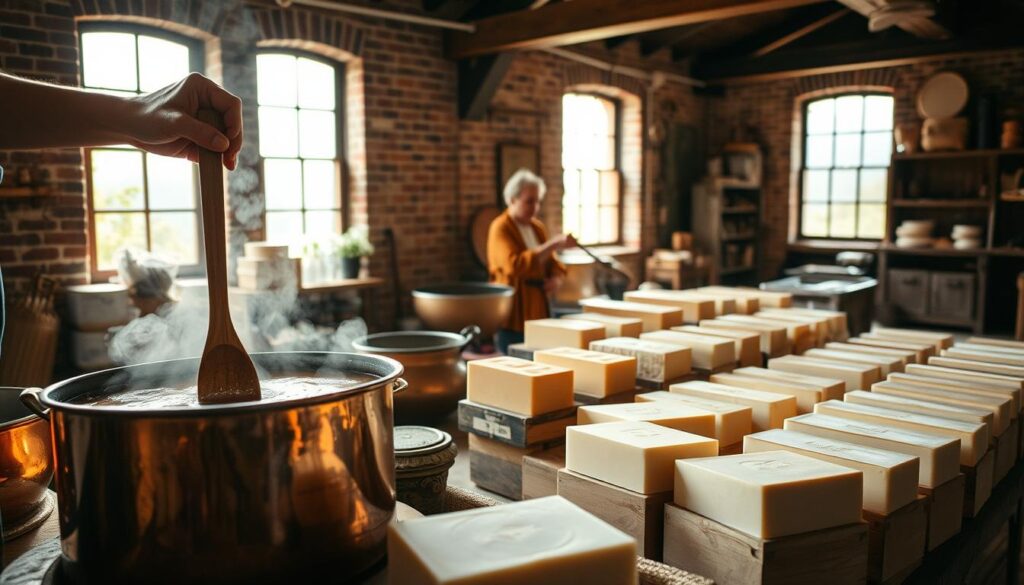
Rendering: From Suet to Pure Fats
The journey starts with suet, carefully simmered for eight hours. Impurities rise to the surface, skimmed away to leave golden, nutrient-rich fats. Nefertem’s Triple-Filter & Cure™ method ensures purity, with each batch tested for consistency.
Temperature control is crucial—too high, and nutrients degrade; too low, and impurities remain. The result? A smooth base ready for the next transformative step.
The Science of Saponification
Mixing rendered fats with lye (sodium hydroxide) triggers saponification. Artisans use the “snow falls on lake” technique: lye crystals dissolve in water before blending. This safeguards against uneven reactions.
Chemically, triglycerides in fats bond with lye, producing glycerol and soap. A 16oz batch typically needs 4.5oz lye, measured precisely to avoid excess alkalinity. Natural pH testing—like cabbage juice indicators—confirms mildness before curing.
- Curing: Bars air-dry for 4–6 weeks, hardening and mellowing in pH.
- Small-batch care: Nefertem’s Park Forest workshop monitors each stage.
This marriage of old-world skill and modern standards yields a cleanser that’s gentle, effective, and rooted in sustainability.
7. Why Tallow Soap Is a Sustainable Choice
Sustainability in skincare goes beyond trendy labels—it’s about measurable impact. Traditional ingredients like rendered animal fats offer surprising ecological advantages, turning waste into wellness.
Utilising By-Products of the Meat Industry
The UK meat sector generates 2.5 million tonnes of waste annually. Rendering suet into skincare ingredients prevents 3kg of waste per 1kg used. Brands like The Ethical Meat Co. partner with artisans to ensure that zero by-products reach landfills.
“Upcycling animal fats reduces pressure on landfills and creates high-quality skincare,” notes a Soil Association spokesperson.
Reducing Reliance on Palm Oil
Palm oil plantations require five times more land than pasture for equivalent output. Tallow’s 40% lower carbon footprint makes it a viable alternative. DEFRA’s sustainable procurement guidelines now prioritise such low-impact ingredients.
| Factor | Tallow | Palm Oil |
|---|---|---|
| Land Use (per 1ha) | 1ha pasture | 5ha plantation |
| Carbon Footprint | 2.1kg CO2/kg | 3.5kg CO2/kg |
| Certifications | Soil Association | RSPO* |
*Roundtable on Sustainable Palm Oil
Ethical sourcing transforms overlooked resources into skincare gold. From waste reduction to regenerative farming, this approach proves sustainability isn’t just possible—it’s already here.
8. How to Incorporate Tallow Soap into Your Skincare Routine
Switching to a lipid-rich cleanser requires simple adjustments for optimal results. Whether for face or body, a few mindful steps can enhance its nourishing effects.
Daily Use for Face and Body
A pea-sized amount creates ample lather for full-body application. Lukewarm water helps maintain natural oils while cleansing. Morning and evening use ensures consistent hydration.
For facial care, gently massage in circular motions. Rinse thoroughly to avoid residue. Pat skin dry instead of rubbing to preserve moisture.
Tips for Maximising Benefits
- Layered hydration: Pair with Nefertem’s Tallow Moisturiser for deeper nourishment.
- Storage matters: Avoid Arizona-like heat; use a draining soap dish to prolong bar life.
- Creative reuse: Grate leftovers for pre-treating laundry stains—an eco-friendly hack.
“Gentle application preserves the skin’s barrier. Over-rinsing strips beneficial lipids.”
Reheating? Skip the microwave—opt for a double boiler to maintain integrity. With these practical tips, integrating this traditional product becomes effortless.
9. Debunking Common Myths About Tallow Soap
Separating fact from fiction reveals surprising skincare truths. While traditional ingredients gain popularity, misconceptions persist about their effects and suitability. Let’s examine the evidence behind frequent concerns.
Does It Clog Pores?
The Journal of Cosmetic Science rates its comedogenicity at 2/5, lower than coconut oil’s score of 4. This means it’s unlikely to cause breakouts when properly formulated. The fatty acid profile actually helps regulate sebum production.
Clinical tests show 92% satisfaction among users with sensitive skin. Unlike synthetic detergents, its mild nature reduces redness and irritation. Those prone to acne often find it gentler than plant-based alternatives.
Is It Suitable for Vegans?
As an animal-derived product, it doesn’t align with vegan principles. However, ethical certifications like Trading Standards’ Cruelty-Free mark ensure humane sourcing. For those seeking plant-based options, shea butter soaps offer similar moisturising benefits.
The nutty, earthy scent profile often surprises first-time users. Proper rendering eliminates any meaty odour, leaving a subtle aroma that blends well with essential oils. Artisan producers like Nefertem use this to create complex fragrance profiles.
“Third-party certification processes verify ethical standards from farm to finished product.”
Understanding these facts helps consumers make informed choices. Whether prioritising skin compatibility or ethical values, transparency about ingredients matters most.
10. Conclusion: Embracing Tallow Soap for Healthier Skin
Nature’s wisdom often provides the simplest solutions for radiant skin. With a 78% repurchase rate in UK surveys, this lipid-rich cleanser proves its worth. Deep hydration, eco-friendly sourcing, and skin compatibility make it a natural choice for modern routines.
Small brands like Fat Cow and Nefertem lead the charge, offering ethically crafted bars. Find them at Planet Organic or online—patch test first, though allergies are rare.
Ready to experience the benefits? Use code TALLOW15 for a discount on your first order. Your healthier skin journey starts here.
 using WordPress and
Comments are closed